Cart
0
You may also like
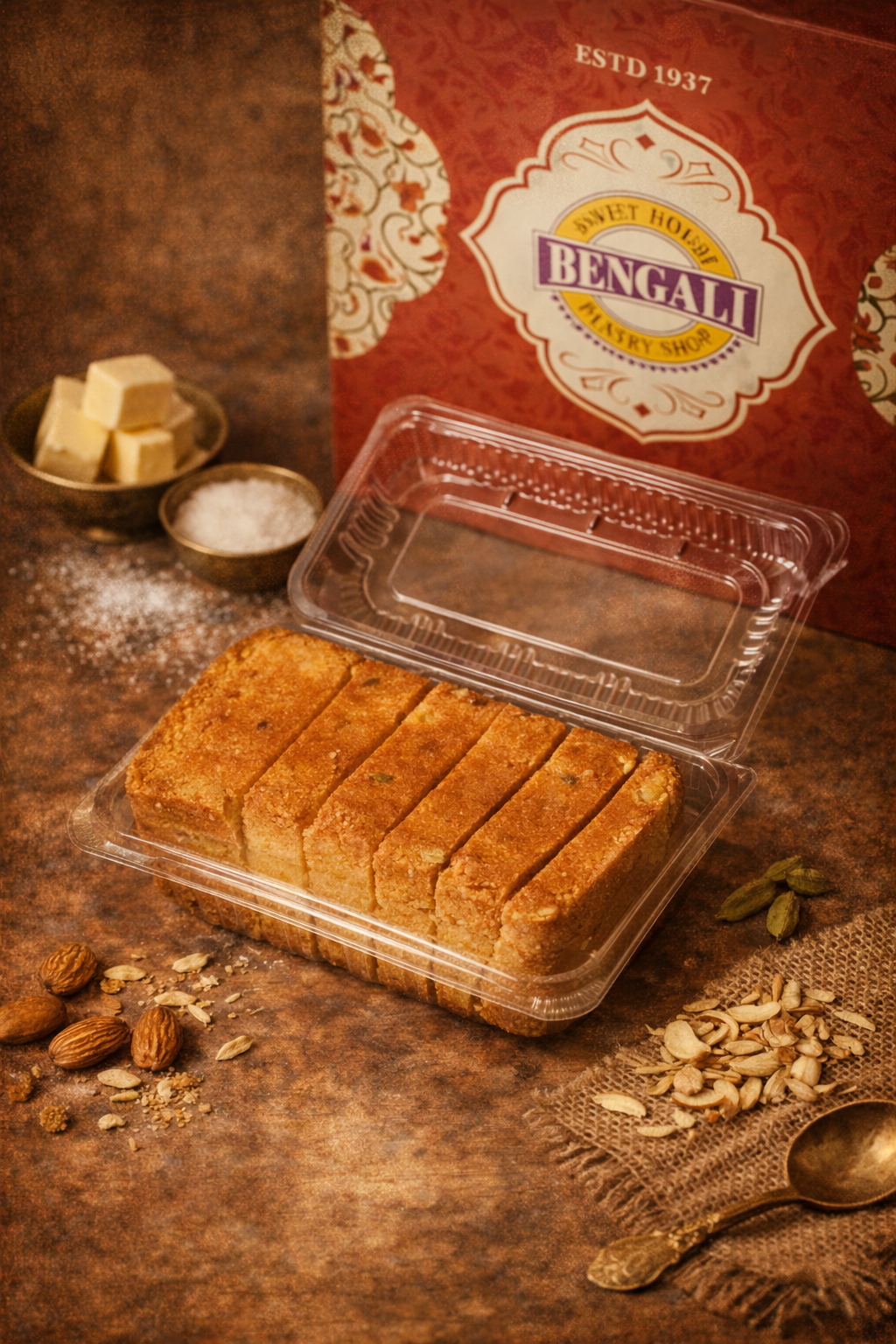
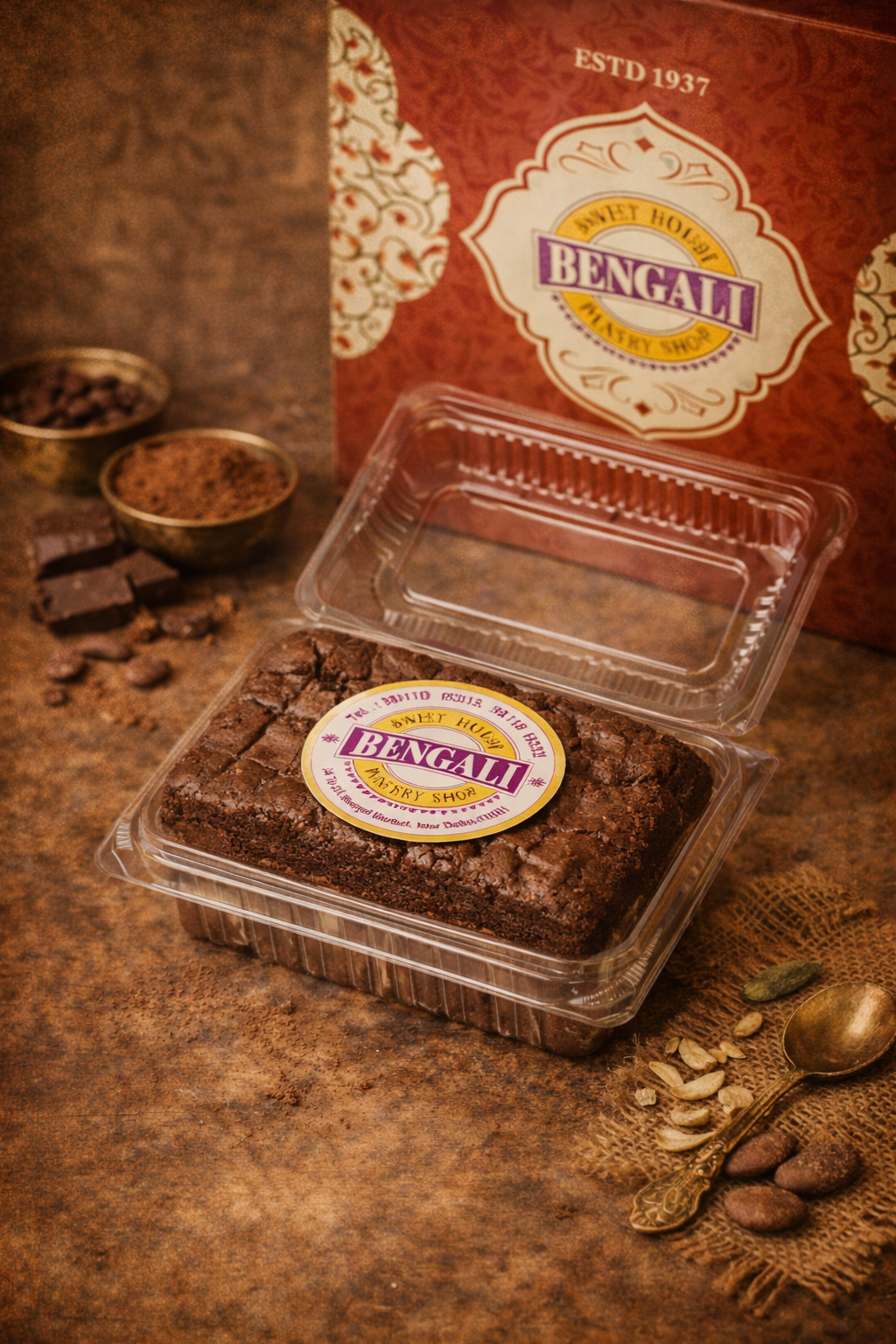
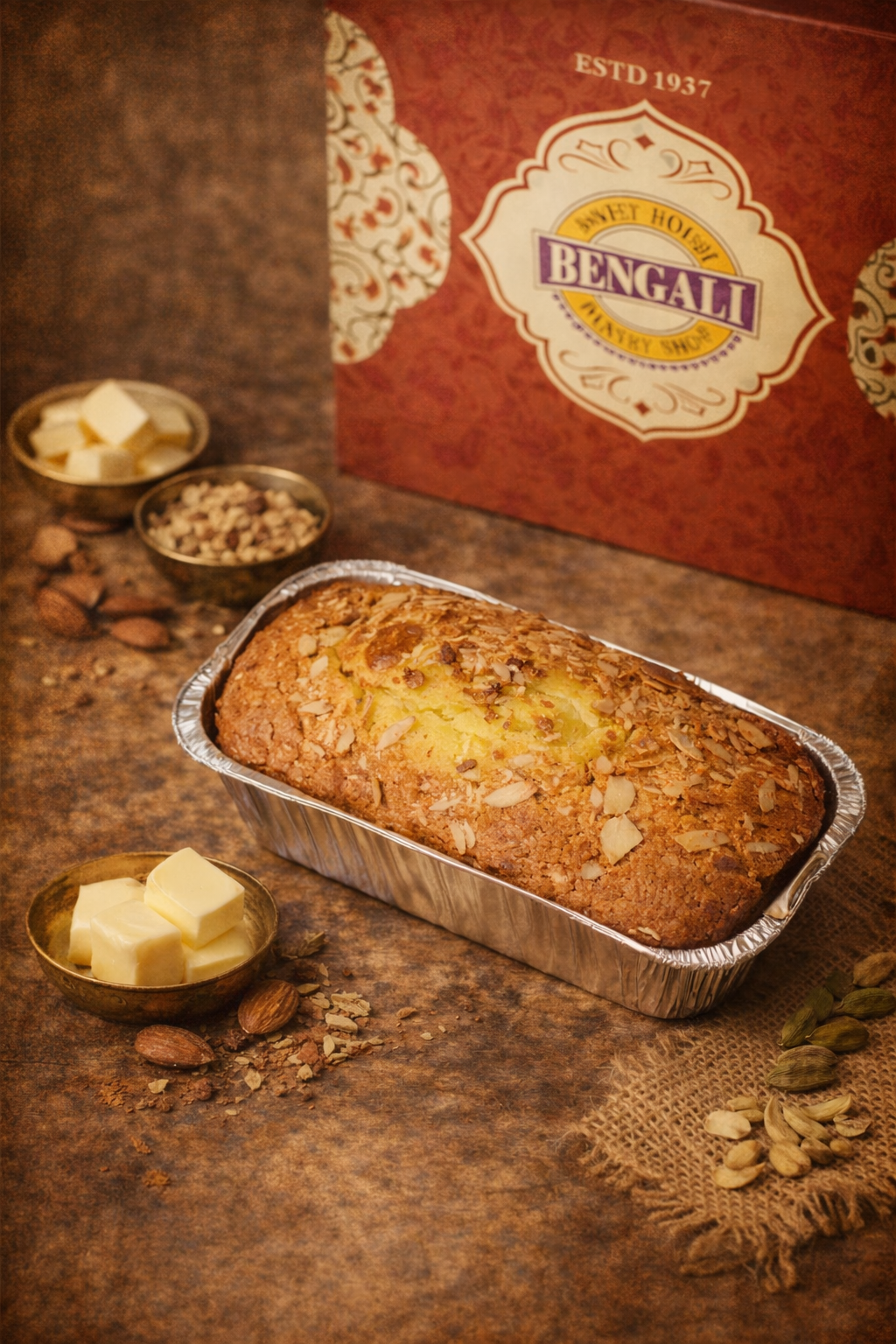
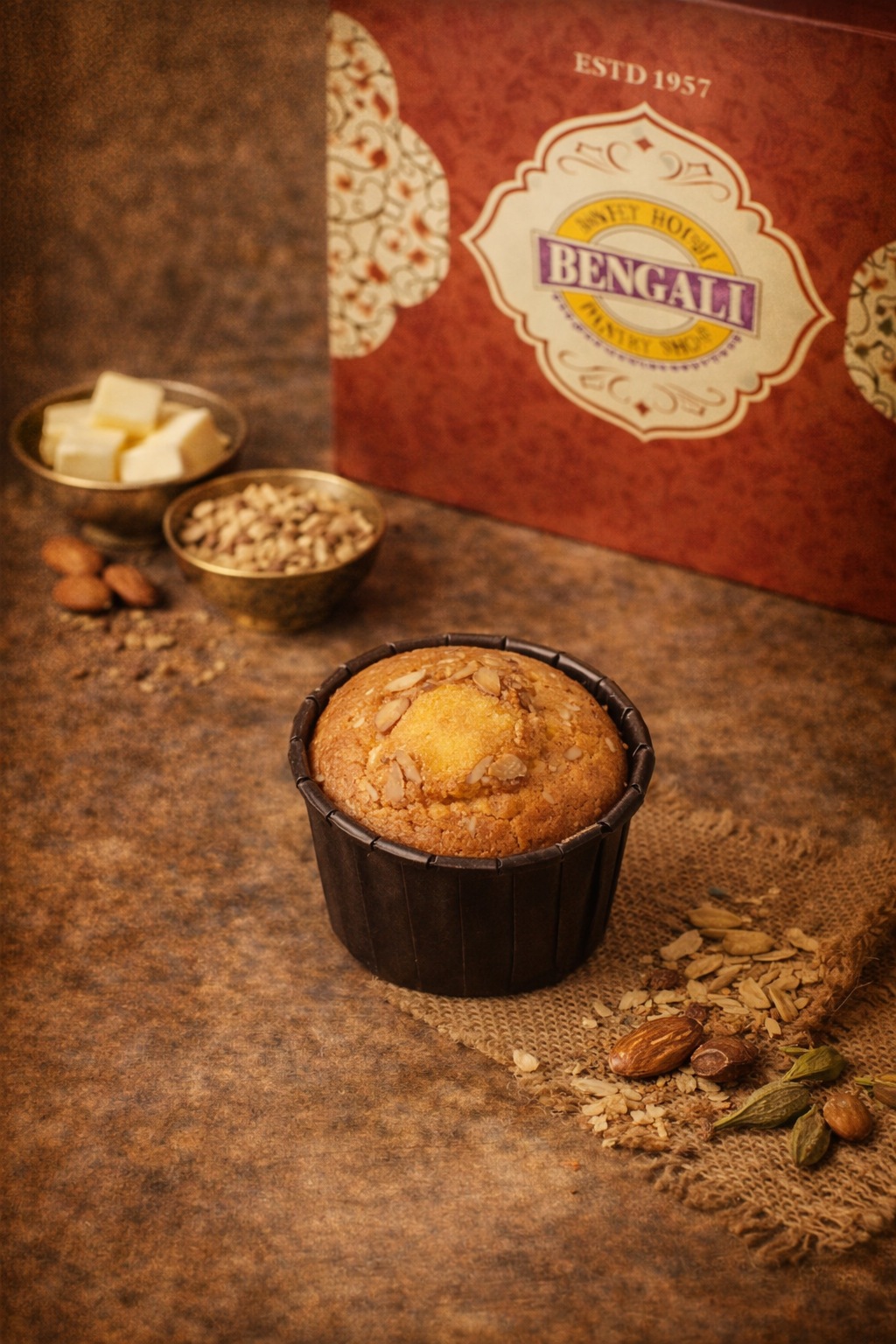


British India. A small shop near the Sessions Court in Delhi. One man, Lala Bhimsain ji, and a belief that this city deserved something it had never tasted before.
That is where it started.
Nearly nine decades later, that same shop is still standing, in the same market, still making everything fresh, still taking no shortcuts.
Soon his brothers joined him. The plan was clear, move to Bengali Market and bring authentic Bengali sweets to a capital that had no idea what was coming.
They made that shift before India even became independent. By the time 1947 arrived and the country got its freedom, Bengali Sweet House was already part of the city's fabric.
Think about what that timeline actually holds. Partition. The Emergency. Liberalisation. Pandemics. Delhi reinventing itself every decade, pulling down and rebuilding entire neighbourhoods.
Bengali Sweet House watched all of it from the same spot, kept the counter stocked, and kept showing up.
Word of mouth did everything. No campaigns, no paid endorsements. Just the food, the consistency, and the fact that once a family found this place, they came back.
Then they brought their children. Then their children's children. That generational cycle is not a metaphor here. It is the actual customer pattern, playing out in real time across three generations of Delhi families who all know the way to Bengali Market.
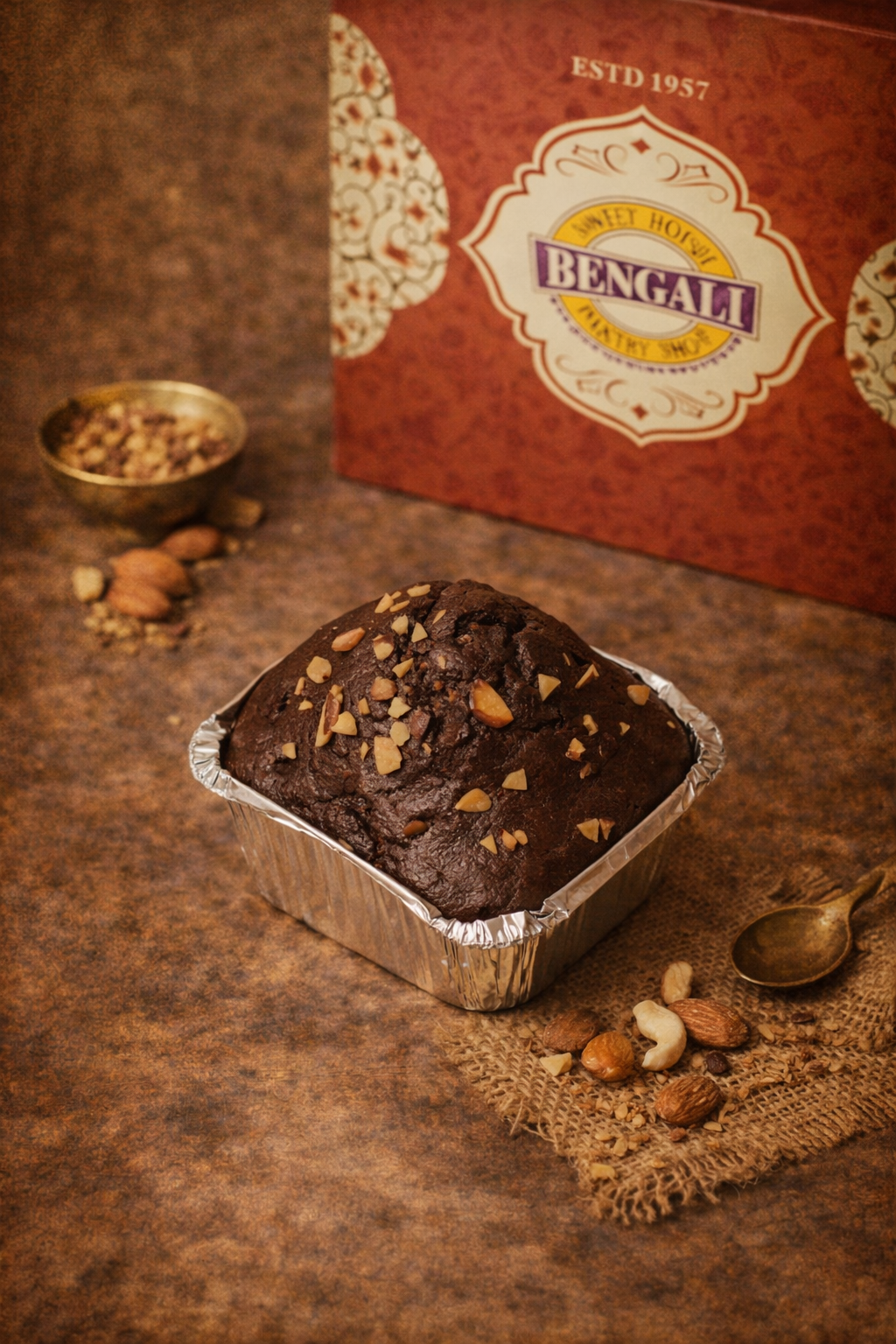
In 1988, the shop did something forward-thinking. Right next door, the Bengali Pastry Shop and Snack Bar opened. Handcrafted cookies, fresh cakes, patties, sandwiches, a full bakery menu at a time when most sweet shops were not thinking in that direction at all.
Traditional mithai on one side, modern bakery on the other. Delhi did not have to choose. And Delhi did not.
200+ varieties • everything made fresh daily • no preservatives
Rasgulla, Rasmalai, Gulab Jamun, Kulfi Falooda, and Gajar ka Halwa when winter arrives. The heart of the shop, unchanged in spirit since 1937.
Maharaja Thali, Makke ki Roti with Sarson ka Saag, Masala Dosa, Veg Sizzler. Proper sit-down food, not an afterthought.
Raj Kachori, classic chaat, and the Chole Bhature that people genuinely plan their afternoons around.
Oats Chips, Makhana Fusion, Quinoa Chips, sitting right alongside the mithai section without looking out of place. Evolving, without abandoning what works.
The grandparent wants Rasmalai. Dad and Mom are here for the thali. The kid is filming the Chole Bhature. The shop handles all three without breaking stride.
The guest list over the years has been something else. Rishi Sunak has visited. Filmmaker Madhur Bhandarkar has been in. So have Richa Chadha and Vijay Shekhar Sharma. People who walked in, ate, and came back. In a city with no shortage of options, that says something specific about what is being done here.
That is how this place describes itself, and it holds up. The founders brought a cuisine from outside their own heritage, planted it in Lutyens' Delhi, and spent nearly nine decades making it feel like it was always supposed to be here.
The cafes that came after? Some had their moment. Many are gone. Bengali Sweet House is still at the same counter, still fresh daily, still no shortcuts.
If someone in your family already knows this place, ask them about it. And if you have not been yet, there is no better time.
That shop is still standing. Same market. Same address. Same fresh-every-day counter it has run since 1937.

