Cart
0
You may also like
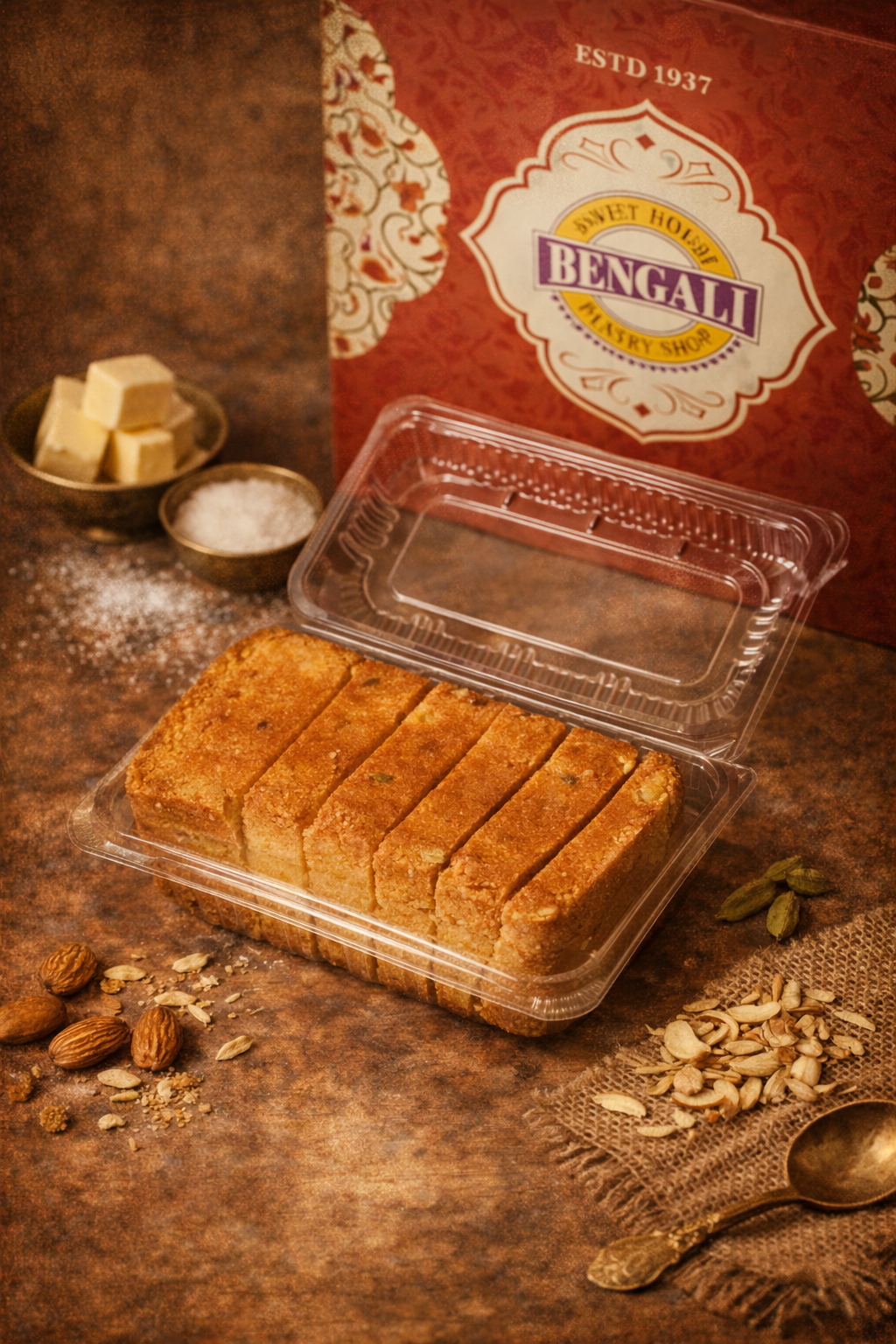
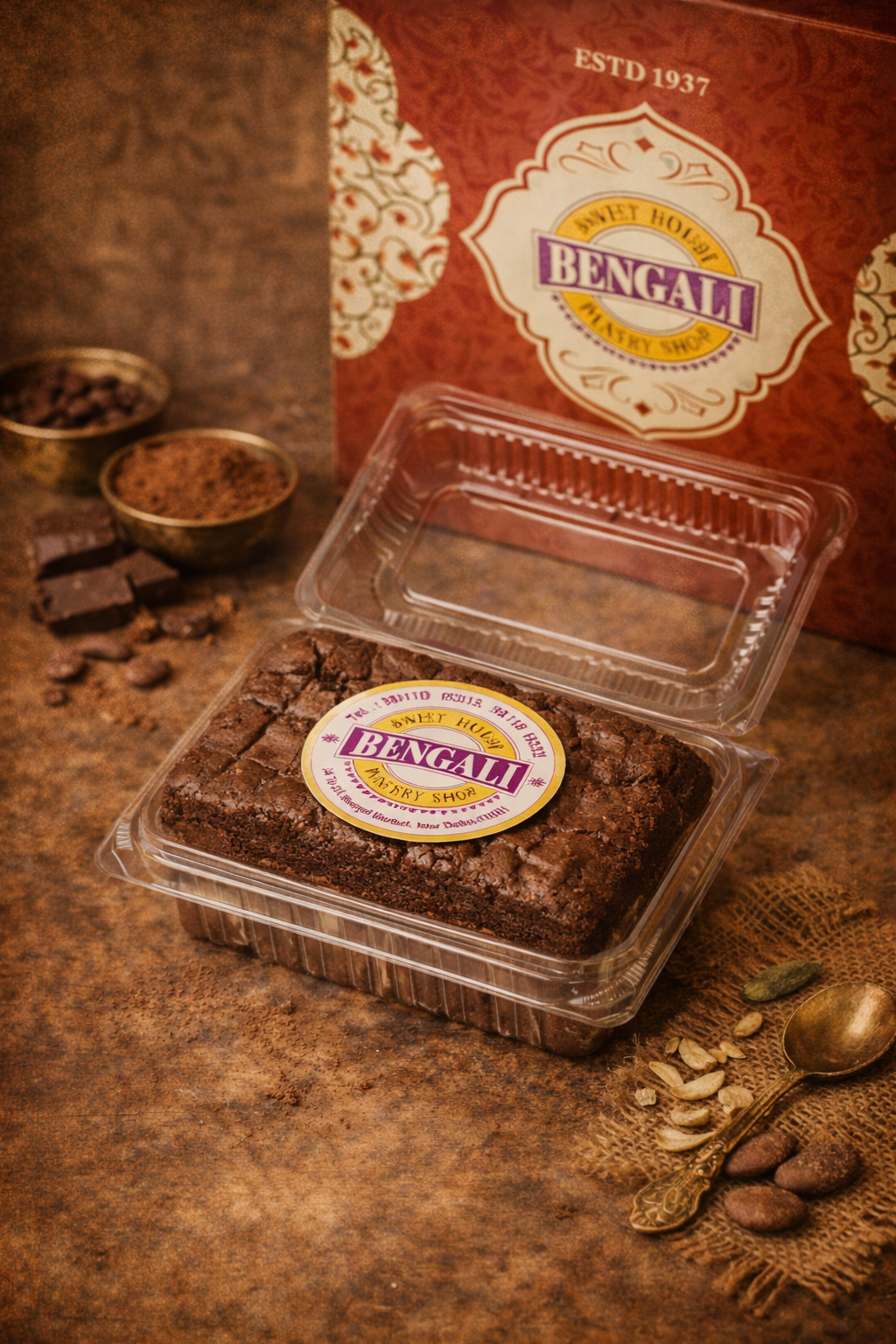
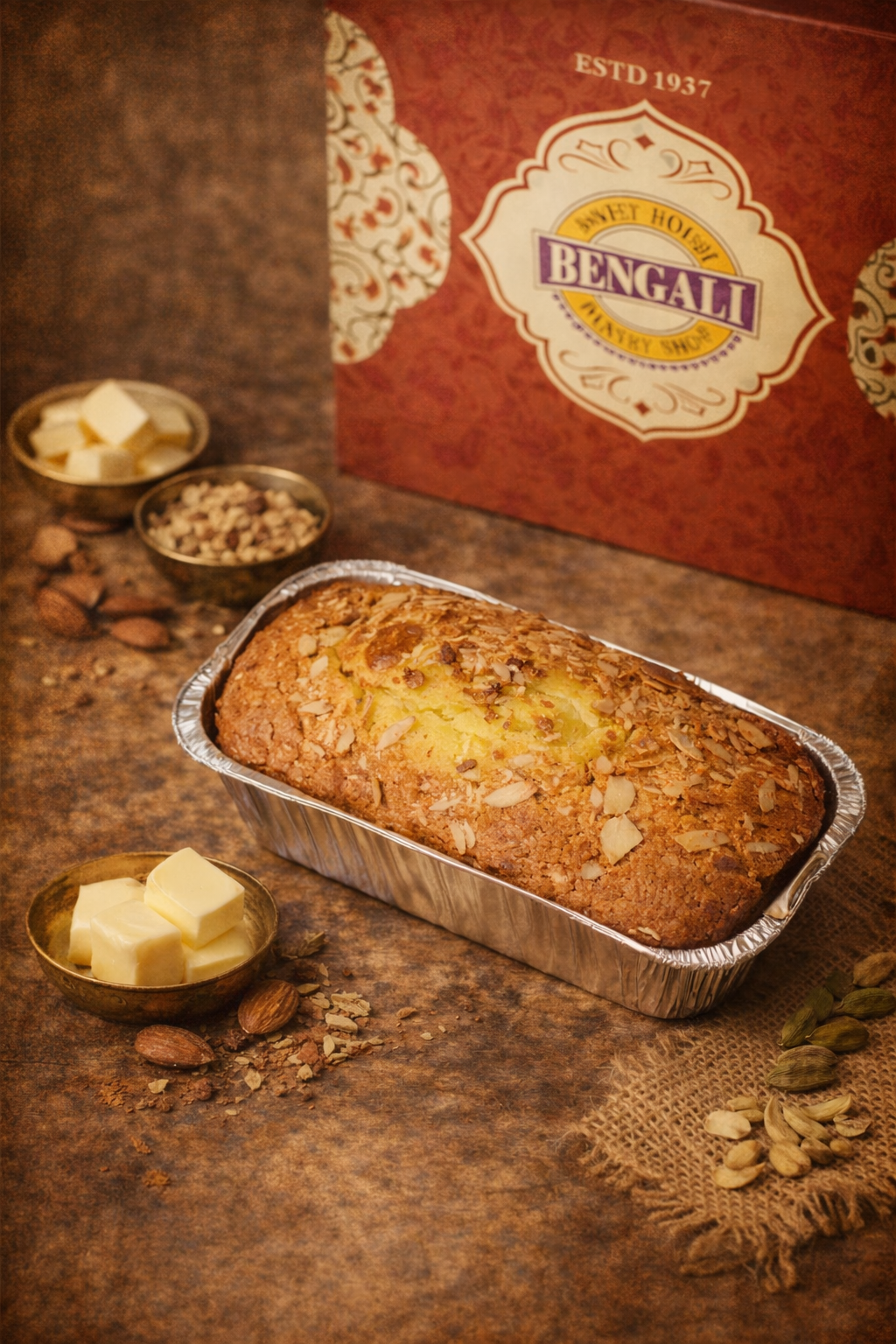
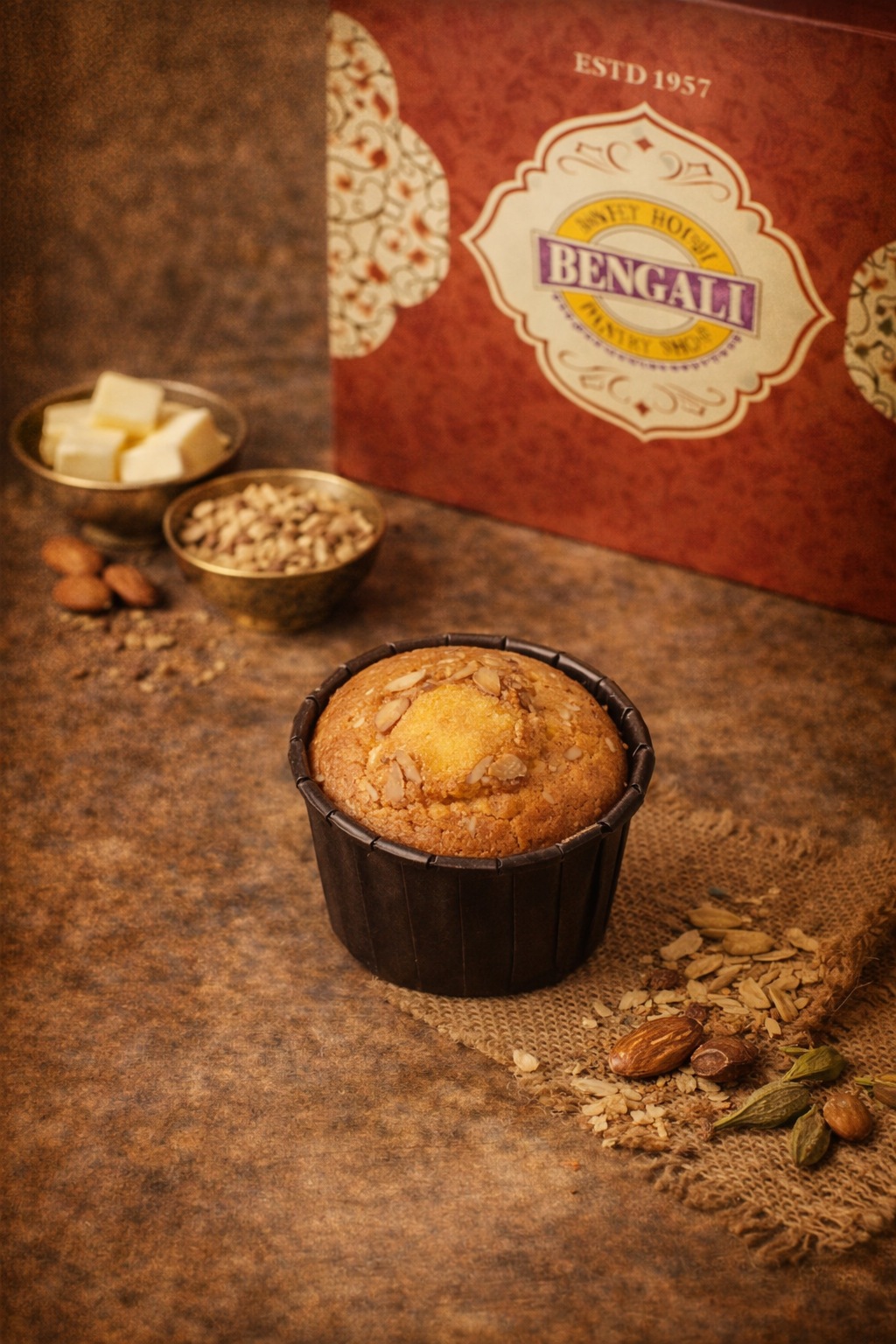
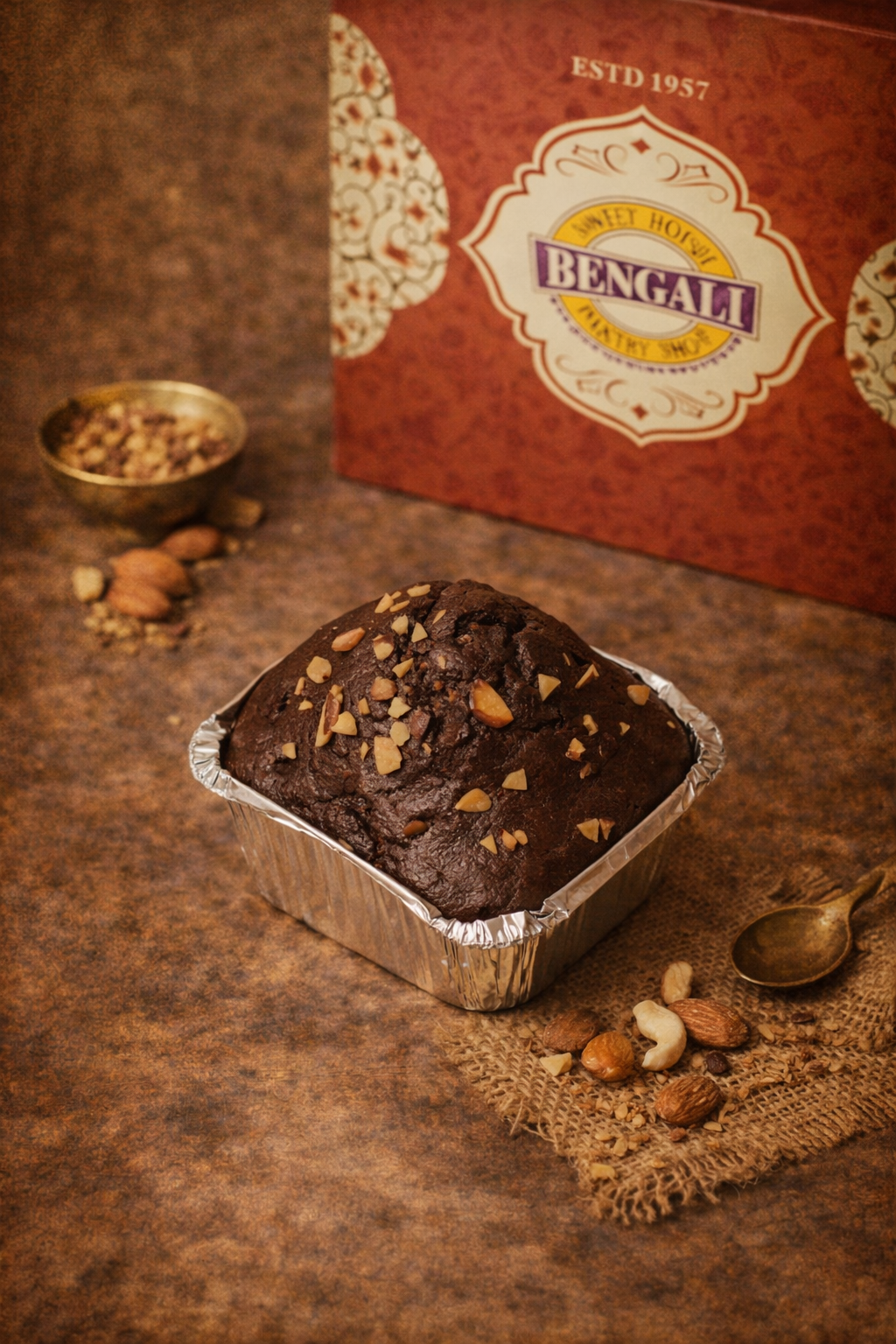


While we all wait for that first moon sighting, one thing is already decided: The Menu.
There is a specific kind of magic that happens on the last night of Ramadan. We all stand on balconies and rooftops, squinting at the sky, waiting for that tiny, silver sliver of a moon. When it finally appears, the air changes.
The "Chand Raat" chaos begins—the bangles clinking, the henna drying on palms, and the sudden, overwhelming realization: Tomorrow is Eid.
In India, we don’t just "celebrate" Eid. We feel it. And mostly, we feel it through the sweets that have been bubbling on our stoves for generations.
For many of us, the real Eid starts before the sun even comes up. It’s the sound of the pressure cooker or the gentle clink-clink of a spoon stirring milk in a heavy-bottomed pot. That aroma of cardamom and roasting seviyan (vermicelli) drifting through the house is the first signal that the month of patience has blossomed into a day of joy.
When you sit down for that first bowl of Sheer Khurma after the Eid prayer, it isn’t just breakfast. It’s the taste of your grandmother’s kitchen. It’s the memory of being a child, tugging at your father’s new kurta, waiting for your turn to get a spoonful. That bowl is filled with more than just dates and nuts; it’s filled with years of family history.
We Indians are not always great at saying "I love you" or "I missed you" out loud. Instead, we say it with a box of sweets.
When you walk over to your neighbor’s house—the one who checked on your parents while you were away—and hand them a box of Kaju Katli or fresh Gulab Jamun, you aren’t just giving them calories. You are giving them a piece of your happiness. You are saying, "My Eid is incomplete if your day isn't sweet too."
In that moment, the sugar dissolves the distances between us. Whether it’s a coworker, a childhood friend, or the person who delivers your mail, sharing a piece of mithai is like a silent, sweet hug that says, "We are in this together."
Let’s be honest—life can be tough. The year might have been long, work might be stressful, and the world can feel heavy. But "Meethi Eid" is that one day where we are allowed to let go.
There is something deeply empathetic about the way we share sweets. We don’t just eat them in secret; we put them on big trays and offer them to anyone who walks through the door.
When you share a plate of Shahi Tukda or Phirni, you are telling your loved ones, "For today, let’s just focus on the sweetness." It’s an invitation to forget the bitterness of the past year.
The most "Eid" thing about Indian sweets is the effort behind them. It’s the way we spend hours slow-cooking the milk until it turns that perfect shade of pale gold. It’s the way we carefully garnish every dish with silver leaf and sliced pistachios.
We do this because our loved ones are worth the effort. In every bite of a homemade Ladoo or a bowl of creamy Halwa, there is the "hidden" ingredient of someone’s time and care. That’s why Indian sweets feel different on Eid—they taste like someone stayed up late just to make sure you felt special when you woke up.
Ultimately, our sweets are a way of saying "Alhamdulillah" (Praise be to God). We celebrate because we are grateful, for the strength to fast, for the health of our family, and for the friends who show up at our door.
So, this Eid, when you pick up that piece of mithai or serve that first bowl of Sheer Khurma, take a second to feel the weight of it. It’s not just a dessert. It’s a legacy. It’s a prayer for a sweeter future. It’s the way we tell the people around us that they are cherished.
From our home to yours, may your Eid be filled with the kind of sweetness that stays in your heart long after the last plate is cleared.

