Cart
0
You may also like
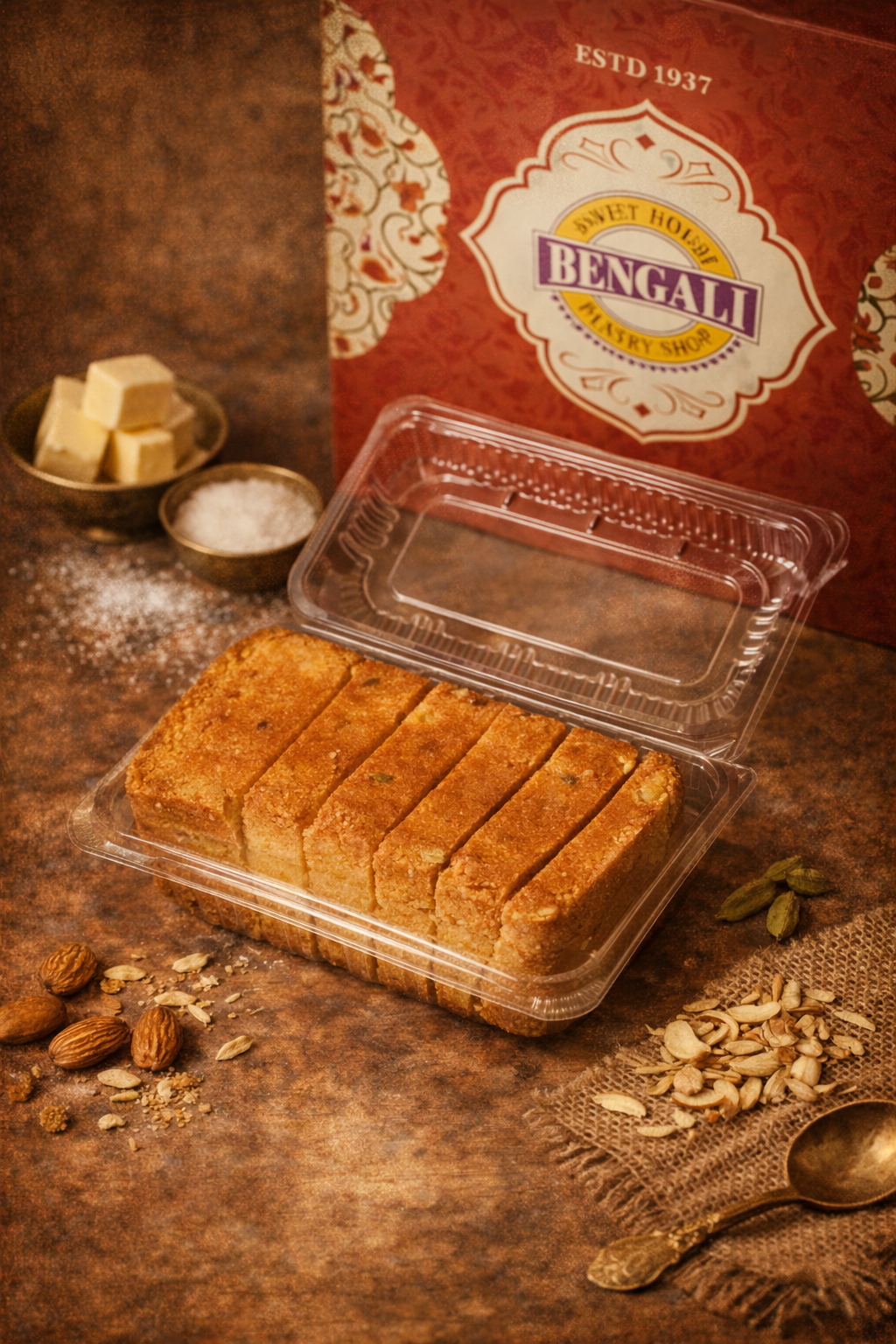
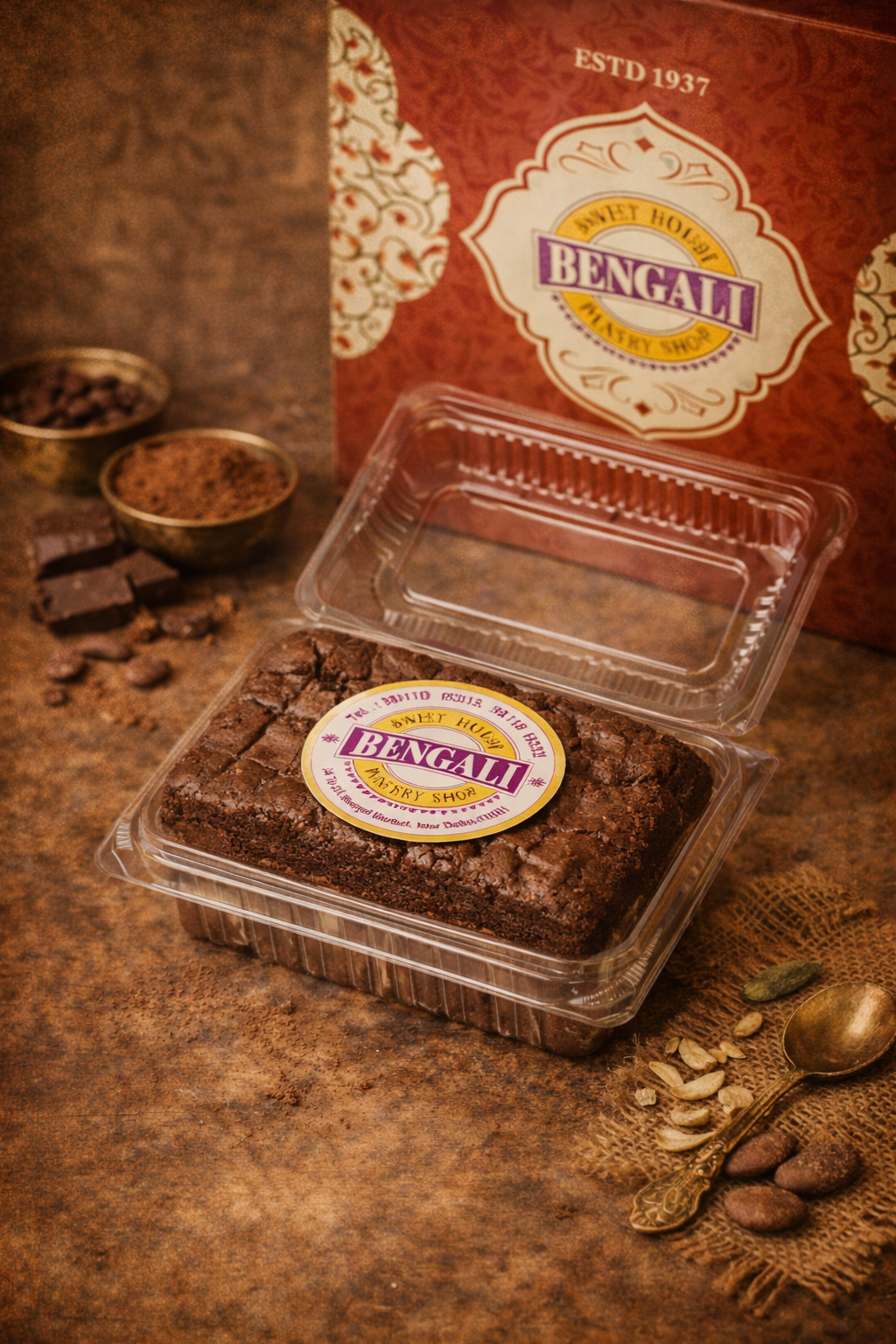
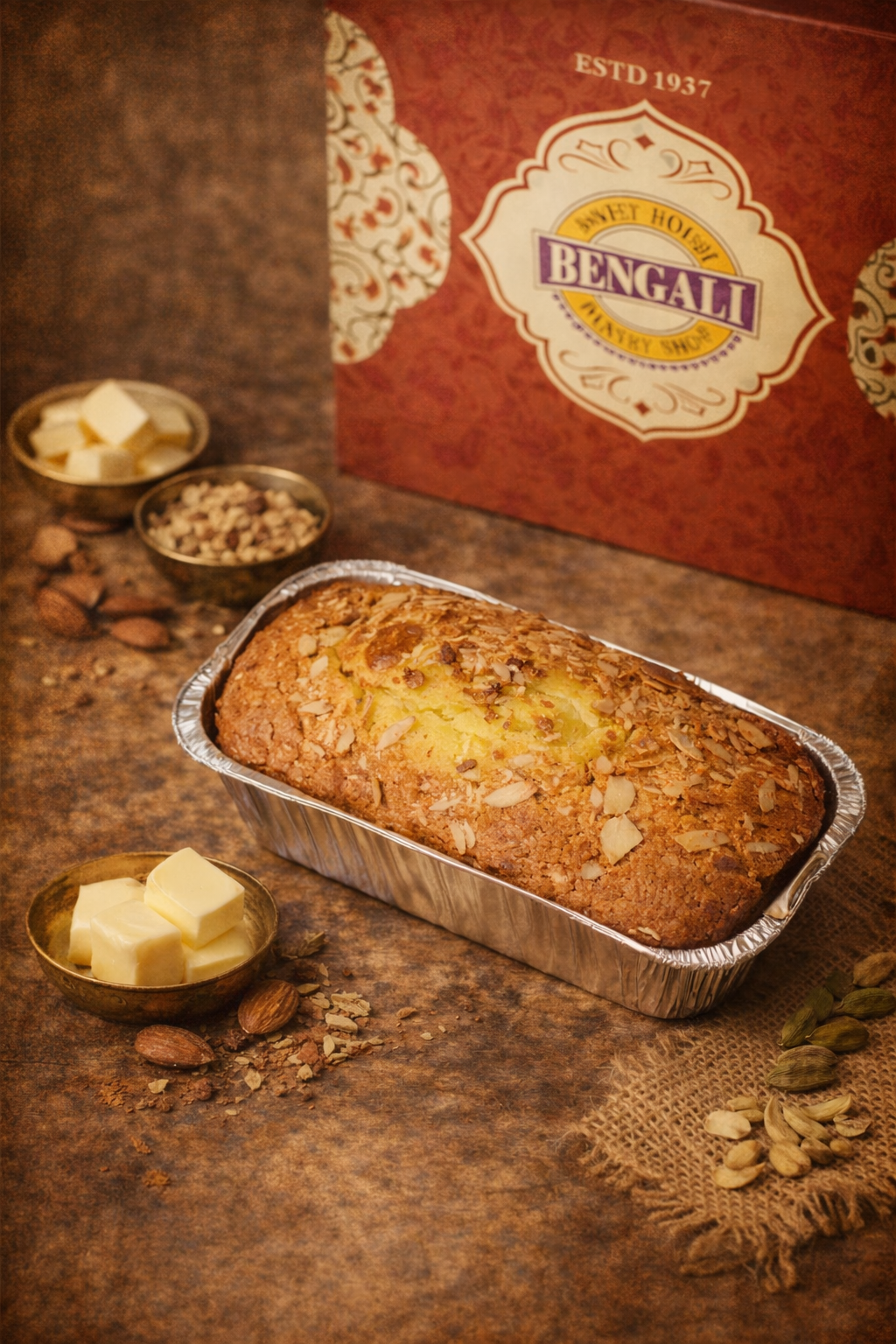
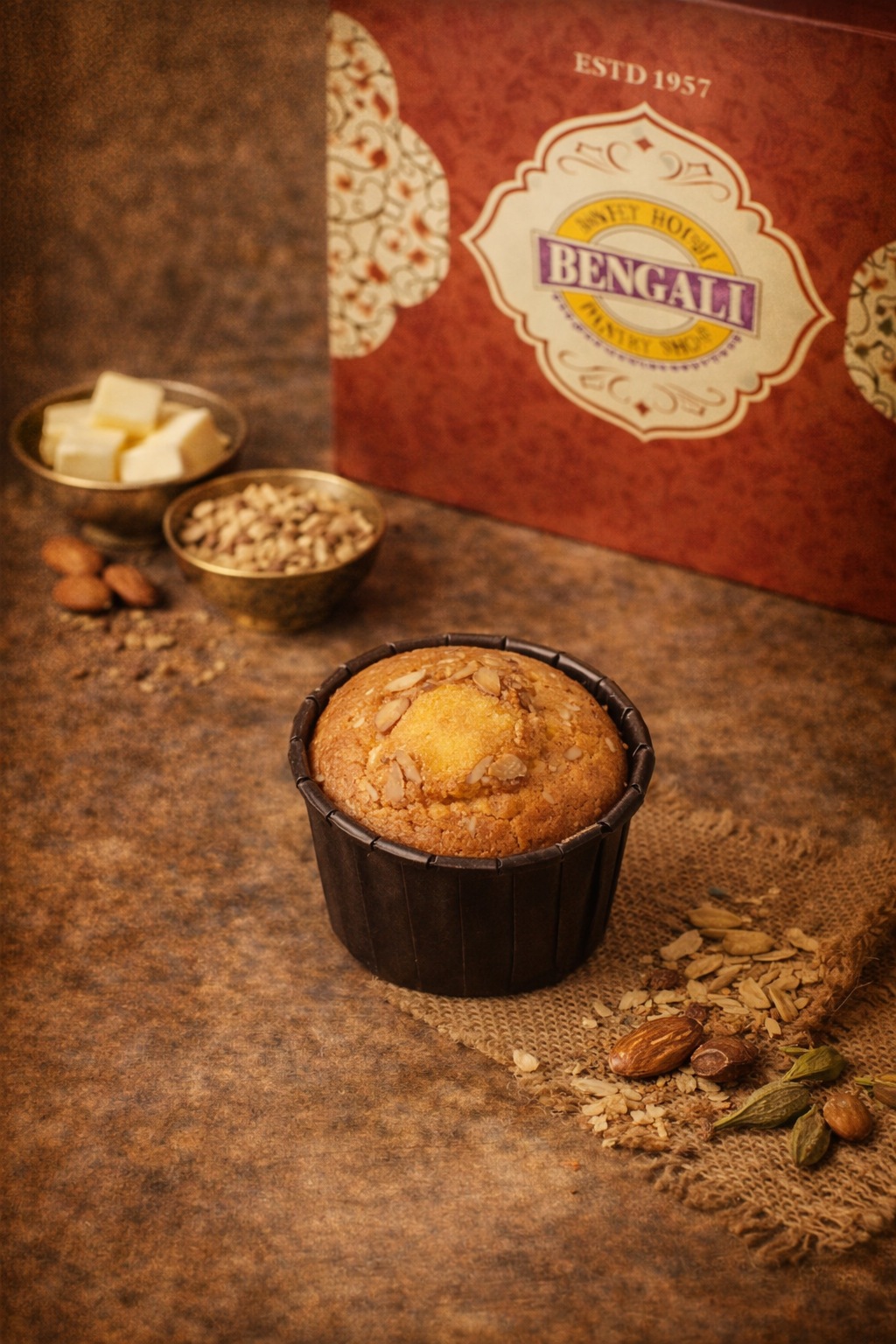


Some legacies are built overnight. Ours took 87 years.
And honestly? We wouldn't have it any other way.
For almost nine decades, Bengali Sweet House has been more than just a destination to quench your sweet cravings. It has been a witness to India's independence. A repository of recipes that date back before your grandparents' time.
A silent observer of Delhi's transformation from a colonial capital to a bustling metropolis. But most importantly, it has been a home - to three generations of our family, and to thousands of families who have made us a part of their story.
Today, we are going to share our entire story with you. Not in a press release or a corporate timeline, but the way stories are meant to be told - honestly, emotionally, and in three unforgettable parts.
Every great story starts with a leap of faith. Ours started in 1937, outside the Sessions Court in Delhi, under British India. While the country fought for freedom, Lala Bhimsain ji opened a small sweet shop with nothing but a handful of mithai and an unshakable belief that good food would find its people. Soon, his younger brothers - Lala Banwari Lal and Lala Rohtash Chand Aggarwal - joined him.
Three brothers. One dream. No guarantees.
They were not only selling sweets. They were introducing authentic Bengali mithai to Delhi, which the city had never tasted before. While other regional cuisines remained confined to their respective regions, this was a revolutionary step.
But then came the decision that would shape the entire future: they decided to relocate to the Bengali Market with only one agenda - to introduce Delhi to authentic Bengali sweets.
And then came 1947. India attained independence. And so did their dream. The business began to flourish. People came in with curiosity. They left with loyalty. News spread from one family to another. The three brothers worked together, mastering every recipe, treating every customer like their own family. Delhi began to take notice. But this was only the start.
While Part 1 was about survival, Part 2 was about legacy. The shop was growing. Delhi was changing. But the biggest transformation? It was just beginning. As the business grew, so did the families. Sons followed their fathers. The next generation took over. What began as a business run by three brothers had evolved into a multi-generational family enterprise. Bengali Sweet House was no longer just a business - it was becoming a landmark.
And Delhi took notice. Not just Delhi, but the entire country of India. The business that began operating near a courtroom was now catering to some of the most powerful and prestigious families in the country. The family of Indira Gandhi became a regular fixture. The Birla family. The Modi family. Each month, they'd come through those doors - not as customers, but as family.
Lala Rohtash Chand ji would personally meet them. These weren’t transactions. These were relationships based on trust, taste, and tradition. But the brothers knew something important: the world was changing. And they had to change with it.
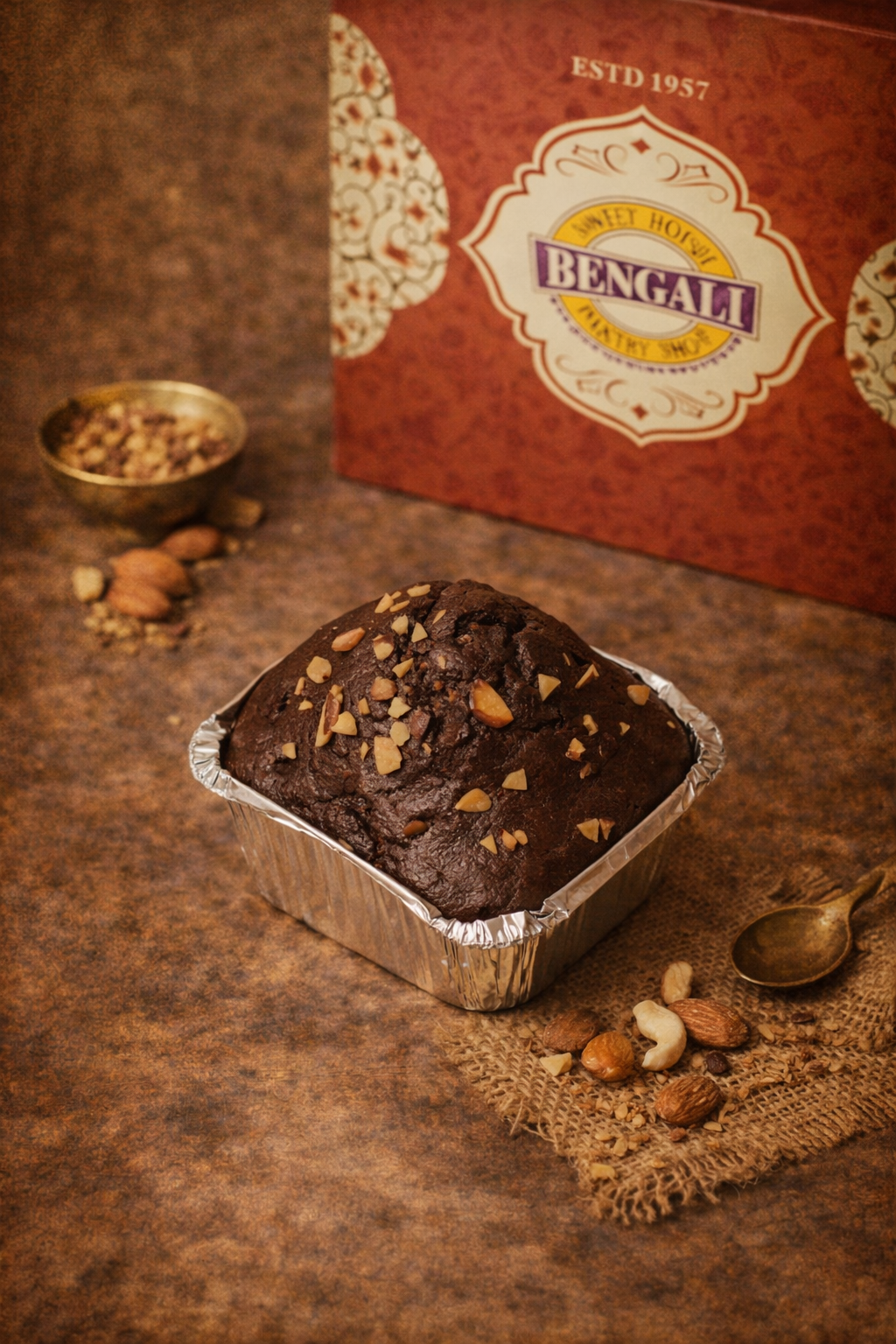
In 1988, they did something very different. They opened a new part right next door - Bengali Pastry Shop and Snack Bar. Handmade cookies. Freshly baked cakes. A full bakery menu. Traditional sweets and modern flavors. And Delhi loved it. While others clung to the old ways, the brothers chose to change with the times - without losing their soul.
2015. The time had come for the next generation to step forward. The question every family business faces eventually arrived: How do we move forward while honoring what came before?
The plan was finalized: three shops. Each one carrying forward the legacy in its own way. This is where the vision of Lala Rohtash Chand Aggarwal got carried forward - through the Bengali Sweet House and Pastry Shop.
Rohtash ji always believed in one thing: relationships are most important. Every customer was family to him. He made connections, not just business. And that's exactly what we do today.
But he also believed in something else: "Preserve tradition, but evolve with the world."
And that's exactly what we did. The 1937 traditional Bengali sweets? Same recipes. Same taste. In 1988, we introduced fresh cakes, handmade cookies, and new-age bakery products. Today we're a place where every generation finds something they love—from seniors to kids.
Compromise on quality? Never. Skimp on taste? Not a chance. Innovation? Always.
Rohtash ji's vision. Our execution.
This is our story. Bengali Sweet House and Pastry Shop. 87 years of legacy. Our own way of honoring it. And now? A new beginning. We're going online. With our new website. To bring our tradition to every home. Stay tuned.

