Cart
0
You may also like
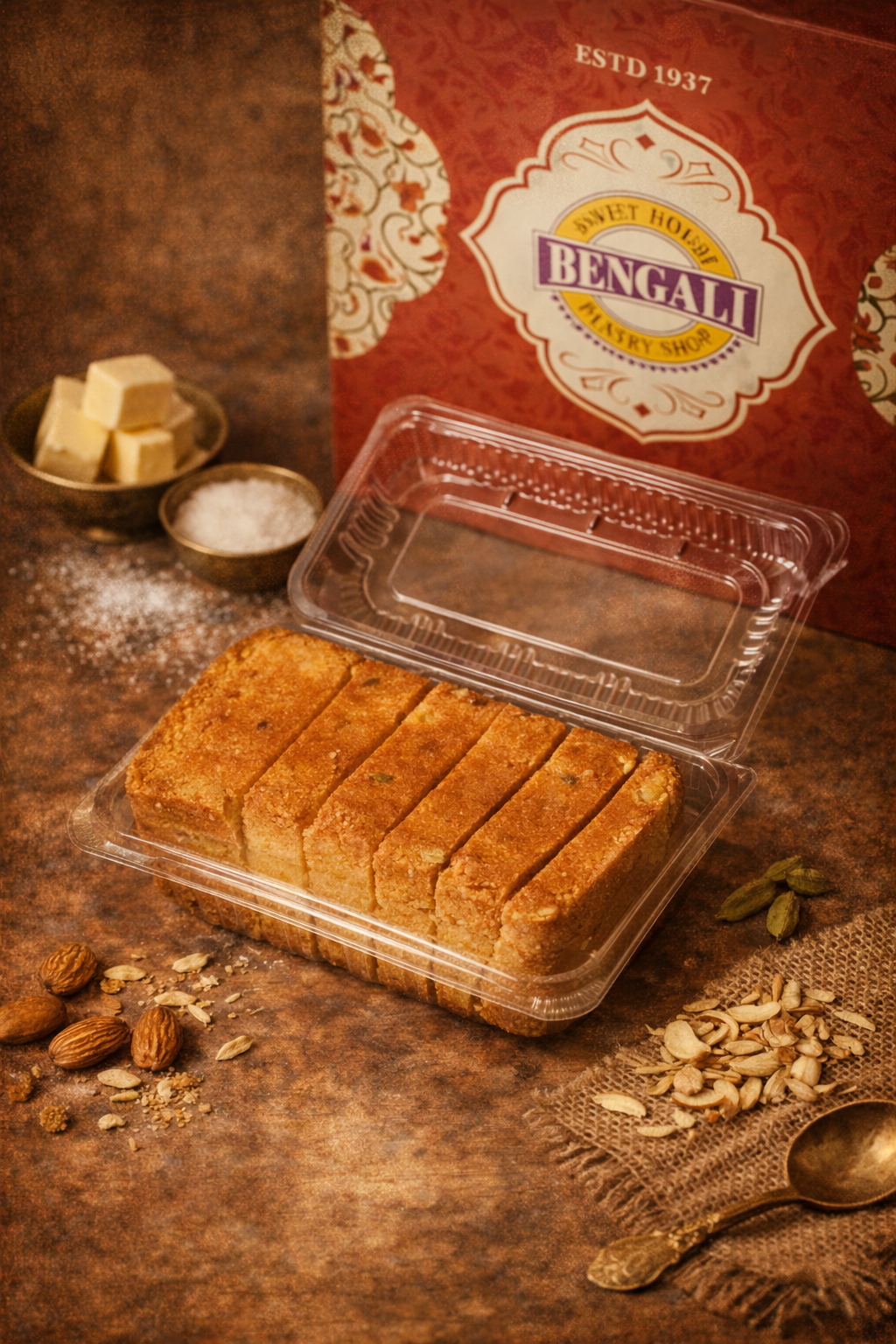
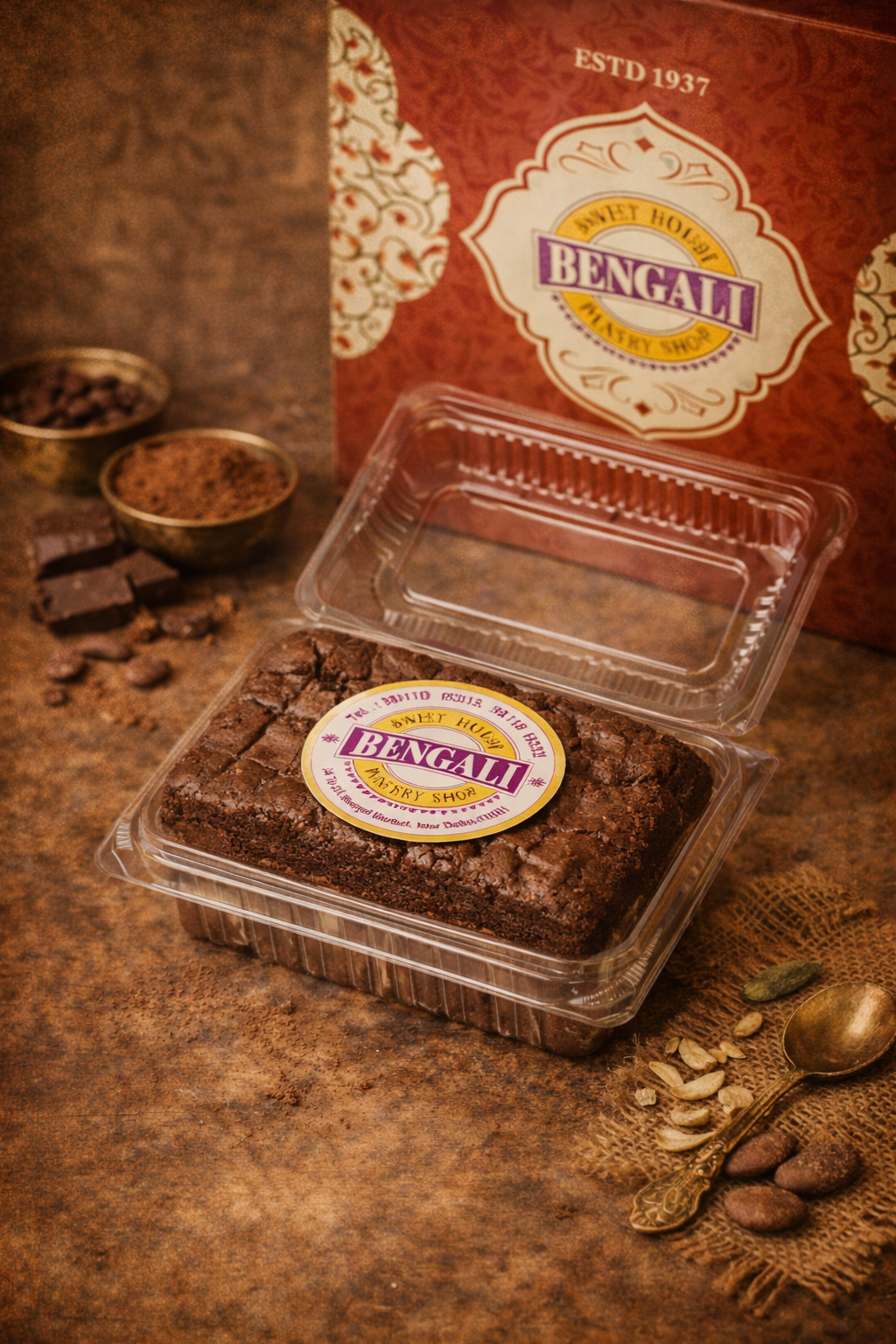
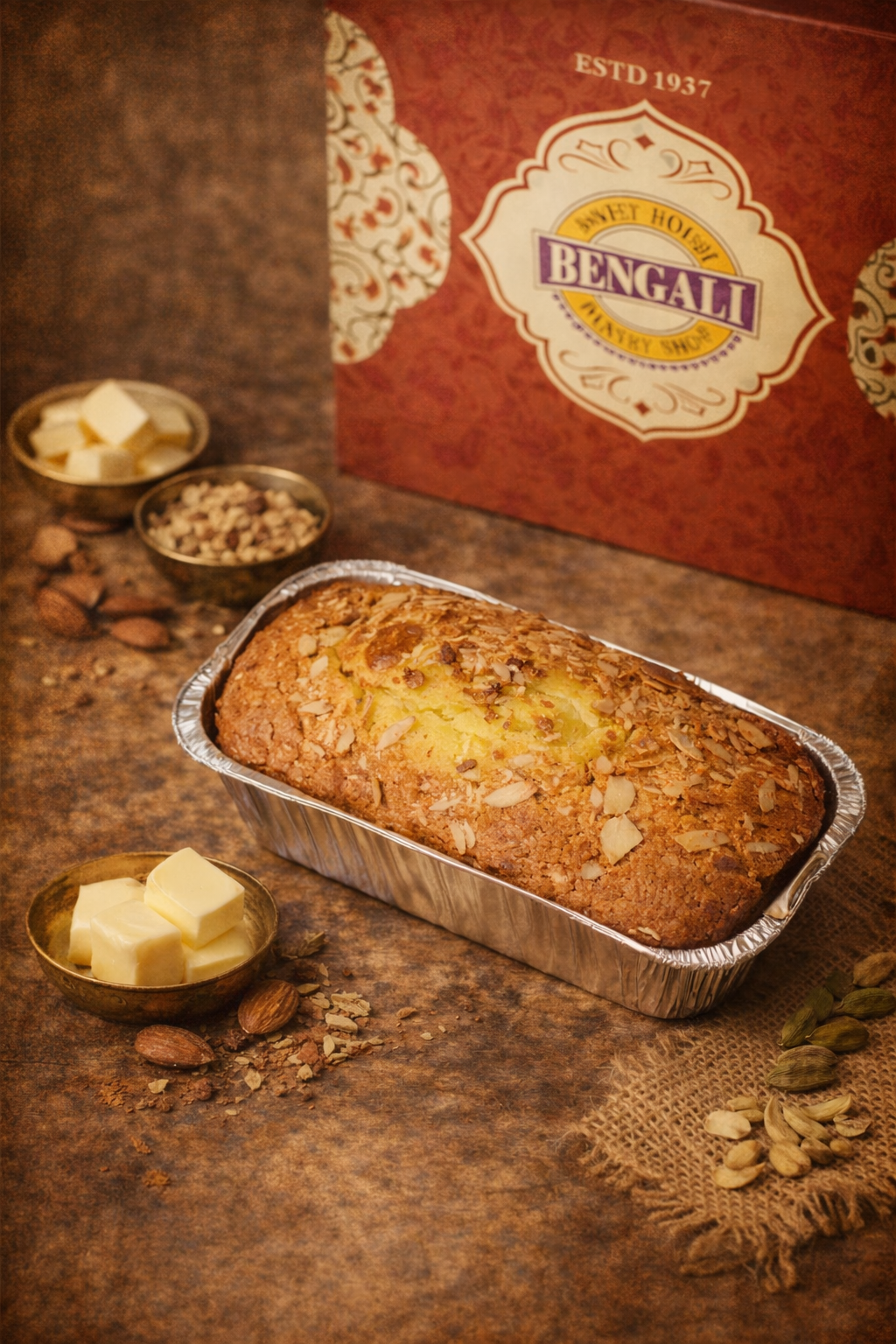
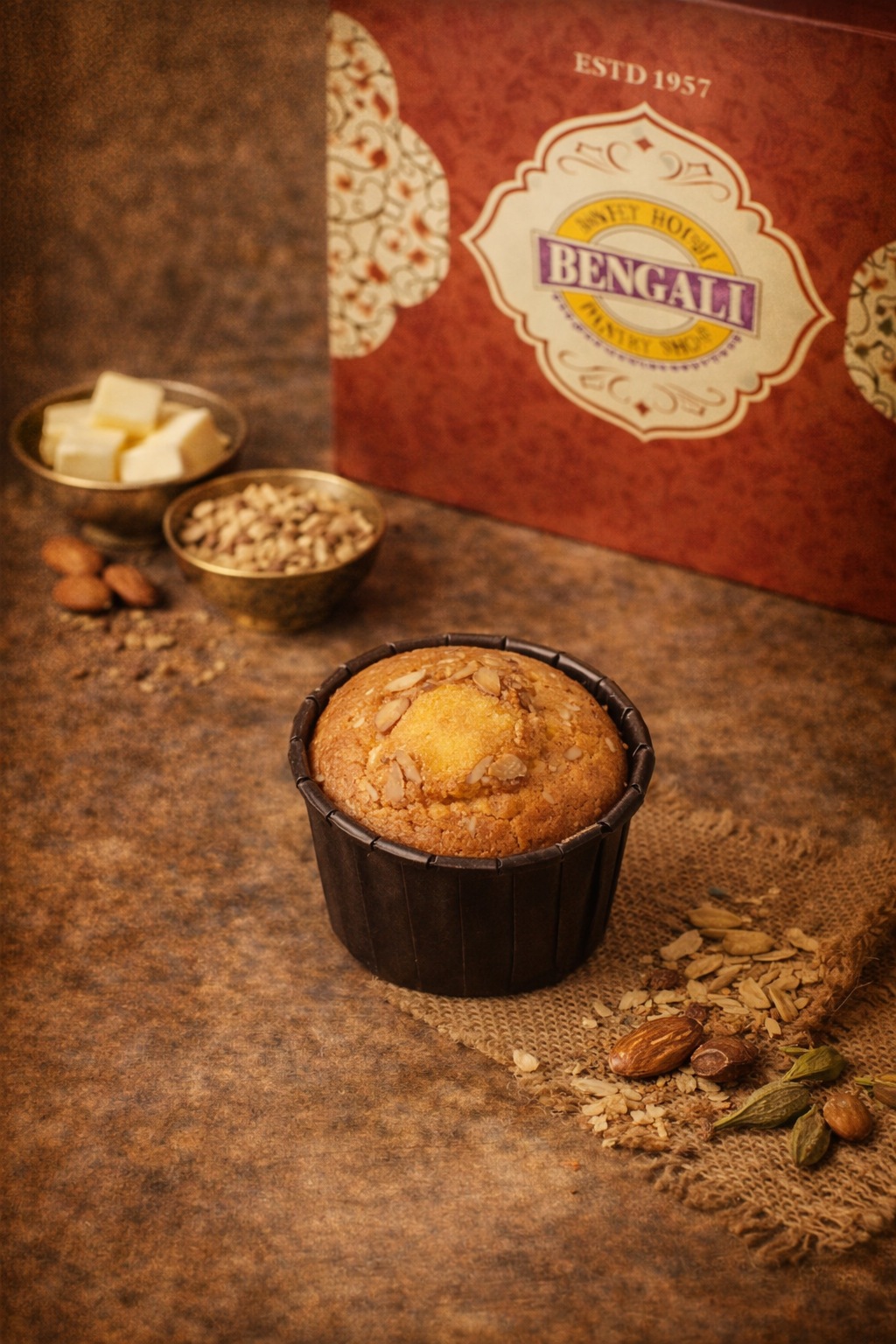


There are smells that stop you mid-step. The warm, sugary scent of gulab jamun soaking in syrup. The gentle caramel drift of mishti doi being set in the kitchen. The faint cardamom cloud that follows a pan of kheer on the stove.
These are not just cooking smells. For millions of Indians — and for those raised in Indian homes around the world — these are the smells of being home.
Indian sweets, known as mithai, carry something that goes far beyond taste. They are time machines. A single bite of nolen gur sandesh can pull you back to a winter afternoon in your grandparents' living room.
Scientists have long understood that smell and taste are the senses most directly wired to the brain's memory and emotion centres. When you smell something familiar from childhood, you do not just remember the moment. You feel it, almost physically.
Indian sweets are particularly effective memory triggers because they are tied to specific rituals, seasons, and people — not just everyday meals. You did not eat rasgulla on a random Tuesday. You ate it at Durga Puja, at a cousin's wedding, or when a neighbour brought a box over to celebrate something good.
You did not have besan ke ladoo every day. You had it at Diwali, when the whole house smelled like ghee and your mother's hands were dusted yellow from roasting chickpea flour. These sweets are emotionally coded by the moments they belong to. Every time you taste them again, the moment comes back with them.
Gulab Jamun is perhaps the most universally beloved sweet in India. Soft, golden, syrup-soaked, slightly warm. It appears at weddings, at birthday dinners, in restaurant dessert sections, and in home kitchens across the country. The first bite is never just a bite. It is a wedding buffet, a family gathering, a table covered in food and laughter.
Kheer carries a quieter, more intimate kind of memory. It is the sweet you got when you were unwell and your mother wanted to feed you something comforting. It is the prasad handed out at the temple. Kheer tastes like being taken care of.
Sandesh and Rasgulla, for those with Bengali roots, are not just sweets — they are identity. For Bengali families living far from home, whether in another city or another country, a box of good sandesh is an act of love. It says: I remembered where we came from.
Jalebi is its own category entirely. Crispy, sticky, unapologetically sweet. Jalebi belongs to street corners, school trips, and Sunday mornings — the first independent sweet memory many of us have, bought with pocket money, eaten hot, standing up, sticky-fingered.
For those with Bengali roots, this is identity on a plate. Light, perfectly set, and melt-in-the-mouth — it says "I remembered where we came from." No other sweet does this the same way.
The taste of celebration itself. Warm, syrup-soaked joy that appears at every important moment in an Indian family's life. Nobody is sad eating a rasgulla — it is physically impossible.
The slow, comforting sweets. These are not for rushing. They are for Sunday afternoons, for quiet family lunches, for the moments when someone just needs to feel looked after.
Diwali in your hands. The smell of roasting chickpea flour, rows of diyas, and someone in the kitchen making enough ladoos to last the whole season. Taste one and you are there instantly.
For Indians living abroad, mithai becomes something more than a treat. It becomes a cultural lifeline. Ask anyone in the Indian diaspora what they miss most about home, and sweets will come up very quickly — a box of mithai carried across international flights, carefully packed between clothes so it does not crush.
This is not simply nostalgia. This is a real, physical need to feel connected to something rooted. Mithai, especially from a trusted local shop, carries the flavour of authenticity. It tastes like the place it came from. Mass-produced versions never quite get there, which is why people will go to considerable lengths to find the real thing.
For children of Indian immigrants, mithai often becomes the first conscious introduction to their heritage. A child who grows up in London or Toronto or Sydney may not speak Bengali or Gujarati or Punjabi fluently, but they know what sandesh tastes like. The mithai is doing cultural work, quietly and deliciously, across generations.
In Indian homes, offering someone a sweet is a small but significant gesture. It says welcome. It says I am happy for you. It says we are family. A mother sends her child to a new city with a dabba of homemade ladoos. A neighbour brings a box of barfi when a new baby arrives.
These gestures are not grand. They do not cost much. But they communicate something that words sometimes cannot: you are thought of, you are loved, you belong somewhere.
That is the true gift of Indian sweets. They are never just sugar and milk and ghee. They are memory made edible. They are home, compressed into something small enough to hold in your palm.
The good news is that Indian sweet-making is experiencing a genuine revival. A new generation of mithai makers is honouring traditional recipes while adding their own creativity — nolen gur ice cream, rose-flavoured rasgulla, mango sandesh in beautiful packaging.
But ultimately, the most powerful version of any Indian sweet is not the fanciest or the most Instagram-worthy. It is the one made by someone who knows what it means to you. Taste that, and you are home. No matter where you are.
Bengali Sweet House has been keeping those memories safe since 1937. Made the same way, every single day.

